20 May 2026, afternoon: handcuffs and leg irons instead of cable ties in the prison van, sixteen people in two rows, steel benches, lights and windows barred. A person with a face contorted with pain, hands tied behind his back, his right shoulder aching. Handcuffs digging deep into swollen wrists. “We need a doctor! Loosen the handcuffs!” we banged on the iron door. “Don’t do that again!” we were threatened. I pressed the swelling with my thumb and index finger; after a few minutes, we managed to move the handcuffs a few millimetres. The pain remained. We were freezing; the air conditioning was on. No doctor, no loosening of the handcuffs.
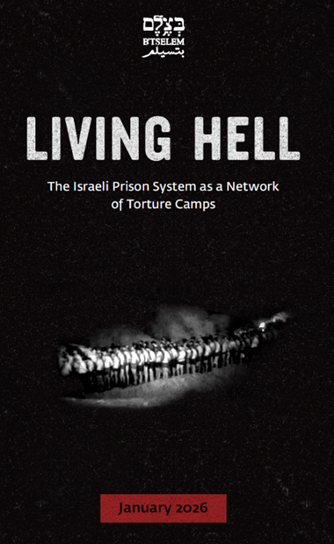
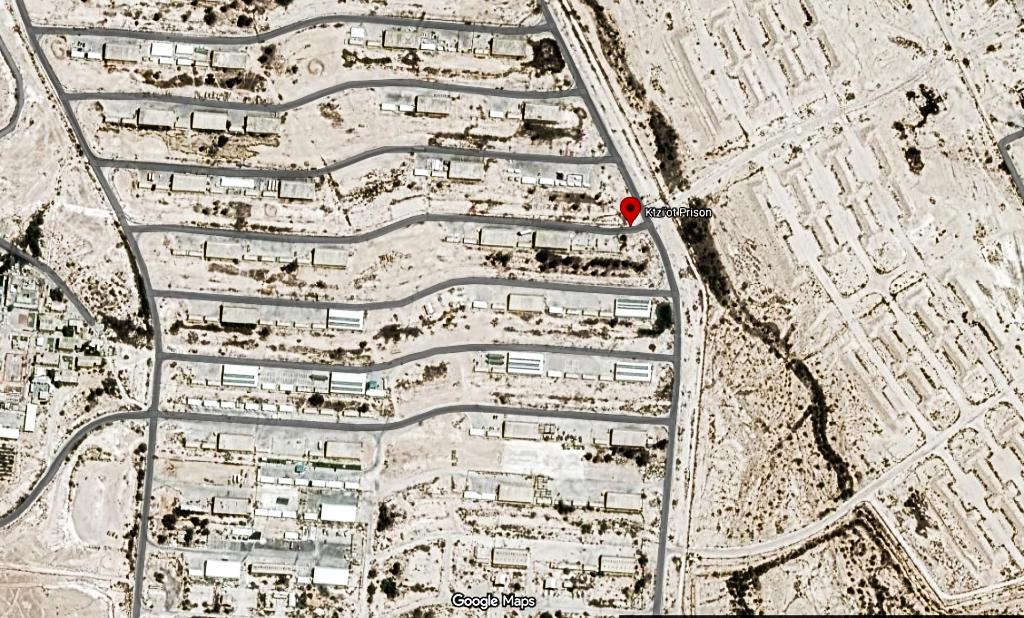
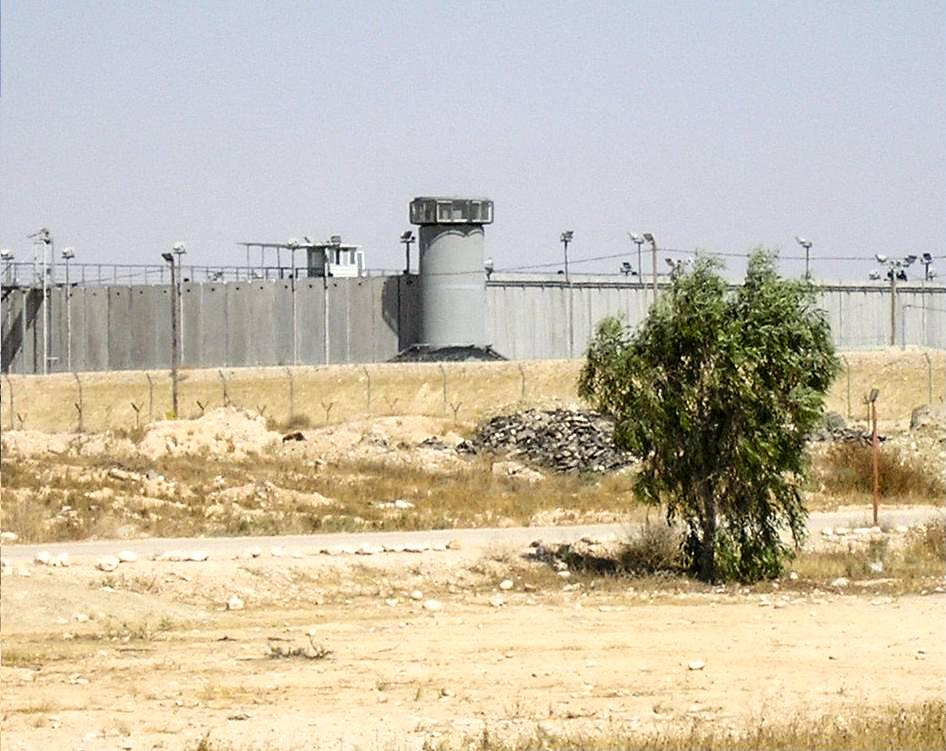
20 May 2026, evening: Ktziot Prison in the Negev Desert, high walls, covering 400,000 square metres, holding up to 6,000 prisoners, most of them in tents. “Welcome to hell: the Israeli prison system as a network of torture camps,” was the headline used by the Israeli human rights organisation B’Tselem. Fifty-five Palestinians who had been released from Israeli prisons and detention centres gave evidence in the report – almost all had been detained without charge or trial. One described Ktziot as follows: “A facility where you are sent and suffer severe, deliberate and unrelenting pain, no matter who you are or why you were arrested.” The British Guardian had already run a headline in August 2024 reading: “Torture, abuse and humiliation: Palestinians describe ‘hell’ in Israeli prisons”. Former prisoners reported sexual assaults and starvation in prisons described as “torture camps”, under the leadership of Police Minister Itamar Ben-Gvir. And the BBC ran the headline in April 2025: “Chemical burns, physical injuries, electric shocks”. One man recounted how he had been set alight with chemicals.
Strip naked, three squats, a photo, a grey tracksuit as prison garb, rubber slippers, a numbered wristband. “Faster! Faster!” Handcuffed, clutching the jumper of the person in front, eyes fixed on the floor, we ran in single file past barking dogs. “Look down!” Thirty people in a nine-square-metre cell with a bunk bed and a shower that doubles as a urinal. Short of breath. A trickle of air flowed down from the small barred window; the most sought-after spots were on the floor. My vision went black; I had to sit down quickly. Two people squeezed into the gap under the bed. We banged on the door, chanting: “We need air!” The door was flung open, threats. I was able to give a cursory examination to a few of the injured – suspected broken ribs and forearms constricted by handcuffs.
People were brought in or called out. The prison guards didn’t know which cells the prisoners were in. They couldn’t read or pronounce some of the names properly. One prisoner helped by reading them out. Then we walked in small groups across the prison yard to a covered hall. “Do you know what this is?” A video showed people who had been killed and abused. One replied: “October 7th.” “And who did that?” “Hamas.” “And you are helping them!?” “No.”
With a mattress and blanket tucked under my arms, I was greeted with open arms by my fellow prisoners in a barred tent. Relief. The prison guard hurled an empty water container at the backs of my knees. Fifteen bunk beds; the top one next to the entrance was mine. I stretched my arms outwards; the handcuffs were removed. Outside, the video continued to play. Then I attended to the injured. I could do very little, yet the injured were grateful. At the very least, I hoped I would be able to recognise any potentially life-threatening deterioration in their vital functions. Suspected broken ribs, bruises and abrasions on the face, grazed knees, forearms constricted by handcuffs, unclear abdominal pain following blunt force trauma. The water containers were filled by a prisoner. Should we drink the murky, brown water? Better not. A urinal and a small bucket for excrement within sight of the guards.
21 May, morning: I was woken by a babble of voices. Lights on, a sandwich from a cardboard box, hands through the bars, handcuffs. The police were once again overwhelmed; two female staff members in plain clothes read out the lists of names. “Please”, “Thank you” – where shouting had previously been the norm. One prisoner remained as the last person in the cell, fearing reprisals. Fortunately, like all the other prisoners, he was leaving Ktziot that morning – presumably due to the critical media coverage.
Once again, my hands were tucked into the jumper of the man in front, as we passed the barking dogs. Where would the heavily armed prisoner transport vehicle take us? Jordan? The airport? We drove past deserts and mountains, oases and riverbeds, irrigated fields, and through villages.
21 May, midday: Hours of waiting at Eilat Airport, in southern Israel on the Jordanian border, 240 kilometres from Ktziot, until the terminal was cordoned off. Photographers were waiting for us; our handcuffs were removed. As I tried to walk towards the German consular staff, I was pushed away. I stumbled on, onto the tarmac, towards three Turkish Airlines planes waiting there.
What we, as participants in the Global Sumud Flotilla, experienced in Ktziot Prison pales in comparison to what Palestinian prisoners have to endure every day within the Israeli prison system. Overcrowding and cramped conditions in the cells, coupled with a lack of fresh air, despite the fact that under international law, the International Covenant on Civil and Political Rights of 1966 (ICCPR) and the Mandela Rules, detention facilities must provide a minimum floor area and have sufficient volume and ventilation. Women prisoners from the flotilla reported that they had to endure hourly cell searches with dogs at night. Such searches have become an opportunity for prison staff to use violence and to humiliate and degrade prisoners.
The prohibition of torture is one of the cornerstones of international law. No state may deviate from it or suspend it in peacetime, in wartime or during a state of emergency. I knew that, as a privileged person with German citizenship, I had been abducted, and that the media would therefore be watching over my fate and that of the other Global Sumud Flotilla participants, and would protect us. Nevertheless, like most of the others, I was beaten and kicked whilst held as a prisoner on the prison ship, and during transport to Ktziot prison I was thrown to the ground from shoulder height and injured. Violence and the threat of it were my constant companions for three days. Other participants in the flotilla were tortured more frequently and more severely. What Palestinians endure was documented by the Israeli NGO B’Tselem in its August 2024 report “Welcome to Hell” and is unbearable.
“They stripped me by force, pulled down my trousers and underwear, and tied my shirt over my head like a mask.” “About 20 guards stormed into the cell I shared with five other prisoners, armed with batons, and beat us for about half an hour.” “One of the dogs bit a prisoner on the arm until he bled. Another dog bit me whilst I was being beaten.” “They also forced me to stand up, and through the blindfold I saw that they were wrapping an Israeli flag around me and filming me.” “One of the guards kicked my iron handcuffs hard with his shoes – I screamed in pain.” “Two of them stripped me, just like the other prisoners, and then threw me onto the other prisoners. One of them brought a carrot and tried to shove it into my anus.”
My thoughts and feelings are with the people who have had to endure such torture and still have to endure it.
Together against torture and cruelty in Israeli prisons!