Trigger warning: description of physical and psychological violence
The prisoners’ worst fears on the torture ship came true on the second morning, 20 May. We docked at the Israeli port of Ashdod, south of Tel Aviv. Bound with cable ties, we knelt for over an hour on the ship’s steel deck, our heads on the ground, our backs sunburnt. Some people had their arms painfully bound behind their backs. For the first time, I was truly afraid. Would the violence continue to escalate? Would I suffer lasting damage? Would I have the steadfastness, perseverance and endurance known in Arabic as sumud?
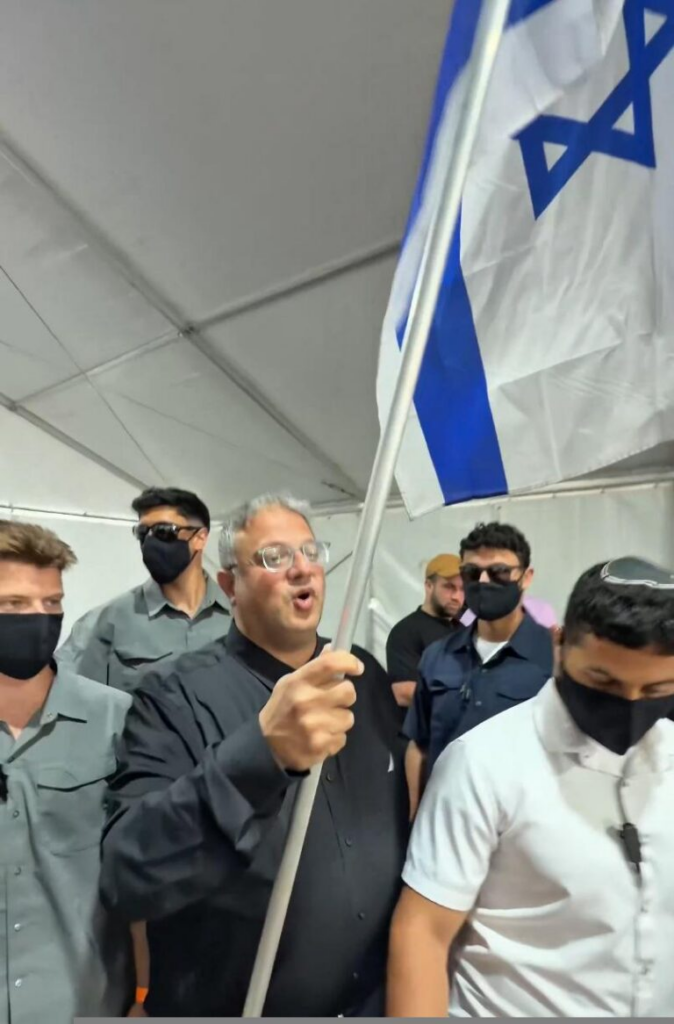
A large crowd had gathered on the shore to await the arrival of the ‘torture ship’ – including the Minister of Public Security, Ben-Gvir, as we later learnt. On X, he posted a video of the inhumane treatment, which the German Ambassador to Israel described as “utterly unacceptable and incompatible with the fundamental values of Germany and Israel”. The UK condemned the violation of “the most basic standards of respect and human dignity”. The US Ambassador condemned Ben-Gvir’s behaviour as “despicable”. He had “betrayed the dignity of his nation”.
In Ashdod, two soldiers forcibly pressed my neck downwards and drove me towards a large white tent. I lost my footing; they lifted me up to shoulder height and hurled me onto the concrete floor of the tent. I managed to roll away, but the ribs beneath my left arm were in pain – a bruised rib, as an orthopaedic surgeon later diagnosed.
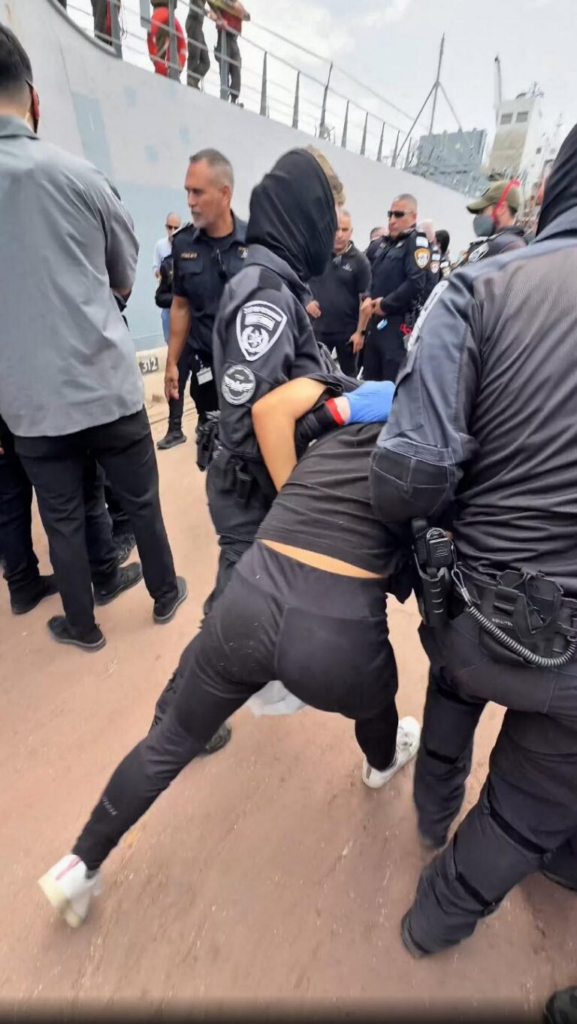
“On your knees!” someone shouted at me. Was it two hours that we remained like that, constantly threatened, whilst Israel’s entry for the 2026 Eurovision Song Contest played on a loop? Many could no longer kneel. Later, I examined a man with severe grazes and bruises on his knee, which he could no longer bend after this ordeal. Anyone who asked for the tight cable ties on their forearms to be loosened because they were losing feeling in their fingers and their hands were swelling was mocked, insulted or threatened. Then a party atmosphere took hold. The soldiers and prison guards joked, partied and danced to disco music. I heard a drone and imagined it filming hundreds of people, bound, tortured and kneeling on the concrete floor, whilst the torturers celebrated their successful day in high spirits.
We were tortured, but we knew all along that we would not be killed and would be released after a few days. Governments from over fifty countries and an attentive media would protect us. Palestinians do not have this protection; they face the death penalty. I am shocked and saddened by how many of the Israeli soldiers I encountered have had respect for human beings systematically drilled out of them. They were clearly encouraged to torment people, to shoot at them, to humiliate them, to spit at them, to insult them, to beat them, to kick them – and to laugh and dance whilst doing so. It terrifies me that people in Palestine, in the territories occupied by Israel, have to deal with soldiers on a daily basis who do not recognise the dignity of other human beings. That is why the more than four hundred participants in the Global Sumud Flotilla set sail for Gaza despite the high risks – to protect these people.
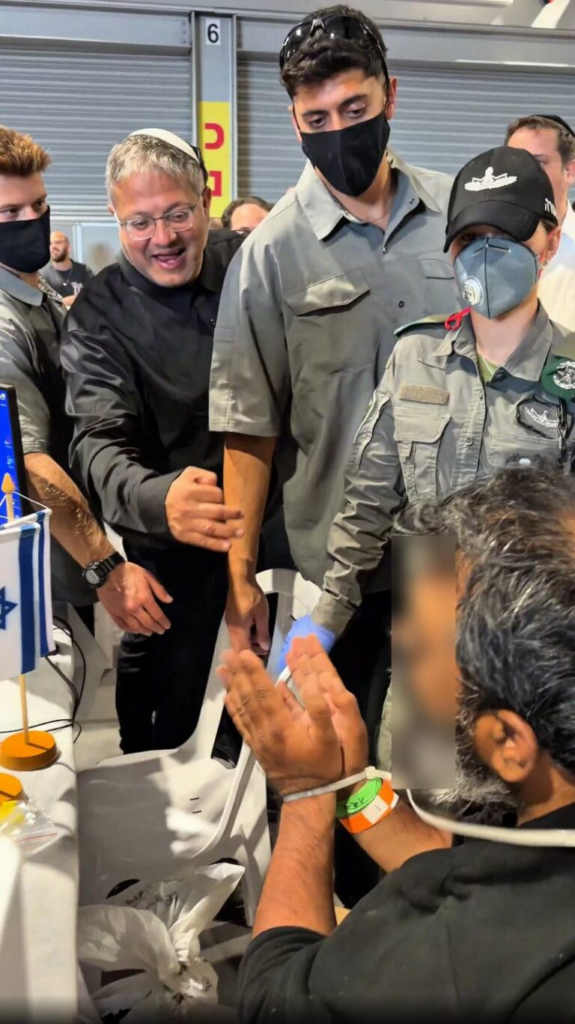
Reception for the 428 activists of the Global Sumud Flotilla at the passenger terminal: border police (Magav) in their olive-green combat uniforms, regular police officers in blue shirts and civilian employees of the immigration authorities and other agencies. Signposts, information boards and barriers. “Head down!” A policeman forced me, with one hand on the back of my neck, to the next station, to the next policeman. In his other hand he held the document folder containing my passport, documents from the prison ship, passport and ID photos, prints of both index fingers and forms regarding my alleged illegal entry and consent to deportation – unsigned.
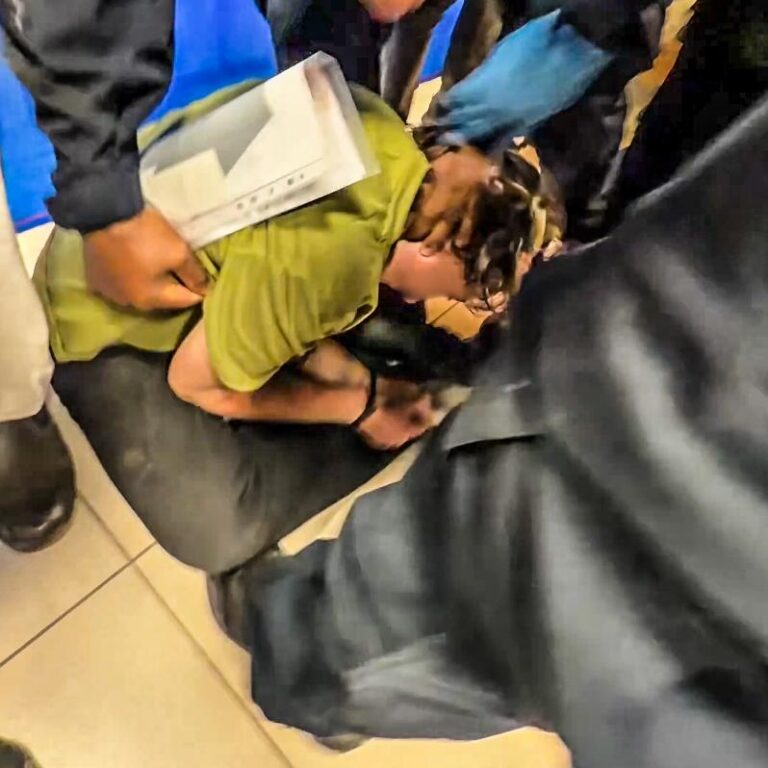
Sometimes my back was forcibly pressed down until it was parallel to the floor; sometimes a tilt of the head was enough. An immigration officer: “Do you know why you are here?” “I don’t wish to answer.” “No idea why you are here?” “I don’t wish to answer.” “You are a doctor. You are clever. Why do you not wish to answer?” “I don’t want to answer this question either.” “You Germans have already made one big mistake in your history…” He did not give a reason for the kidnapping.
“On your knees!” A waiting area for those bound with cable ties. Chairs stood in front of the officials’ desks; some were made to kneel there too. A brief conversation with the lawyer from the Legal Centre for Arab Minority Rights in Israel (Adalah). A policeman sat nearby. A judge asked me and others how we were. A civilian employee shouted at me angrily: “A Nazi from Germany!” “A Fascist!” He didn’t scare me. The potentially violent Magav border police, on the other hand, I took seriously. “You know Holocaust?” Eye contact. “Yes.” “You are a Nazi!?” “No.” One of them shouted at me furiously: “Did you touch me?!”