Trigger warning: description of physical and psychological violence
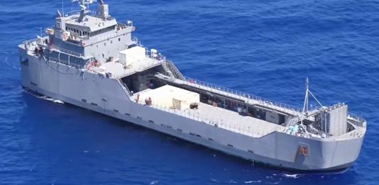
Numerous activists from the Global Sumud Flotilla were kidnapped twice within three weeks and forcibly taken to Israeli Navy prison ships. One of the two was later dubbed the “torture ship”. This report concerns that vessel.
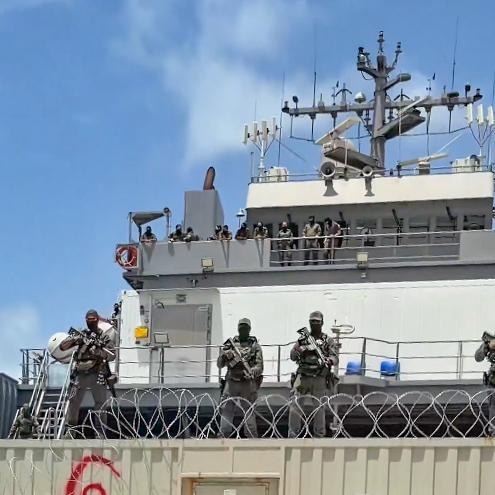
18 May, 2 pm: With my neck brutally pressed down, my face to the ground and my right arm twisted behind my back, a soldier from the Israel Defence Forces shoved me into the white entrance container of the 95-metre-long prison ship. We later called this entrance to the prison the ‘torture container’ – all 190 participants of the Global Sumud Flotilla who were dragged there had to pass through it. Inside, five soldiers and prison guards were waiting. One ripped my shoes off, another my glasses; I was punched and kicked in the ribs and back; my arm was brutally pulled up twice; I screamed in pain. Shocked and stunned by the unexpected and unprovoked violence in the torture container, I staggered into the arms of those waiting. More muffled sounds of blows and people falling from the container. Waiting helplessly, with tears in our eyes, hour after hour, we heard the tortured screaming. Bleeding people with torn clothes, eyes wide with terror, disoriented, some hurled to the floor, others caught before they fell. Men with dark skin were particularly affected. White people, like me, were often just beaten and kicked, but not visibly injured. Muslim women were humiliated by having their headscarves, the sign of their piety, torn away.
Everyone had their jumpers and jackets stolen. Cold nights on the steel floor of the three overcrowded 12-by-3-metre sleeping containers, without blankets or mats, using squashed plastic bottles as pillows. Some stood up, others paced up and down outside to keep warm. I was most likely to get any sleep in the morning, when the sleeping containers were warm and less crowded. Two toilets with no toilet paper for 190 people and not enough water. Dry bread as the only food.
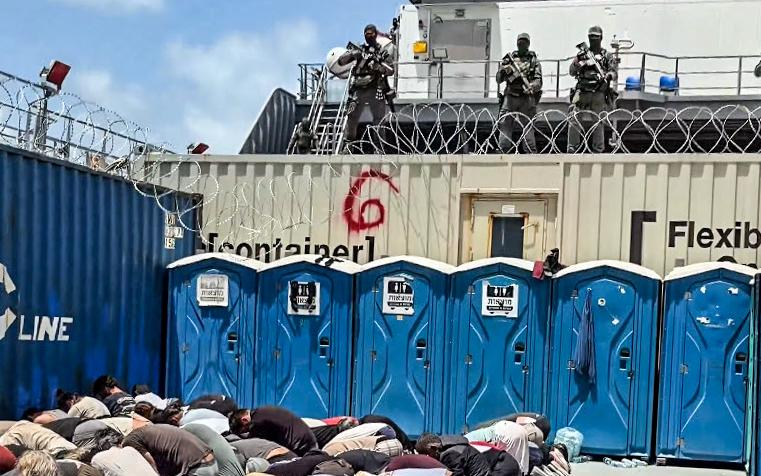
In the morning, the door to the torture container was flung open. Three soldiers, armed with rifles and dressed in full military uniform, hurled three stun grenades into the courtyard at the fifty or so terrified prisoners. The blast from the flashbangs echoed painfully off the steel containers; people scattered in all directions, disoriented. Later, two people showed me shrapnel wounds on their lower legs. We were shouted at: “Hands up!” Protected by three prison guards with shields, the laser sights on the rifles were trained on the assembled crowd. The container near the entrance was cleared. Two soldiers searched and secured it, keeping their weapons at the ready. Four people were ordered to approach the soldiers backwards and to collect plastic bottles and breadcrumbs using bin bags. Walking backwards, led by another soldier, with their weapons constantly trained on the people, the soldiers and prison guards retreated into the torture container. One returned and collected the debris from the stun grenades. On the ship’s elevated command bridge, some 30 metres away, overlooking the prison yard, the prison guards’ superiors and the officers applauded – clearly very satisfied at how unarmed and non-violent people had been injured, threatened and humiliated for no reason.
A prison guard opened the door to the torture container and placed my shoes and glasses in the middle of the courtyard. On one occasion, a few of the stolen jumpers were returned, and now and then we were given some water. We knew that all of this was being filmed and would be used as publicity material to demonstrate the impeccable humanitarian treatment of the prisoners.
In the afternoon, a soldier aimed his rifle scope from above at individuals in the prison yard. A German participant was hit in the left lower leg. Shot pellets in a yellow bean bag, a circular abrasion and bruise, 5 cm. Later, he was hit in the left foot, causing extreme swelling and pain; he was unable to put any weight on it. I was part of the prisoners’ medical team. We feared the swelling might compress arteries and nerves. Plastic sheeting, some string, elevation. Would the sniper fire again? We knew that Israeli soldiers knew some of us by name and had specifically sought out these people during the kidnapping – particularly those with Palestinian roots and a history of involvement in the Global Sumud Flotilla. Or had it just been a wrong look after all? We got another T-shirt for the man who’d been hit so he wouldn’t be recognised. Later I learnt that his foot was broken.
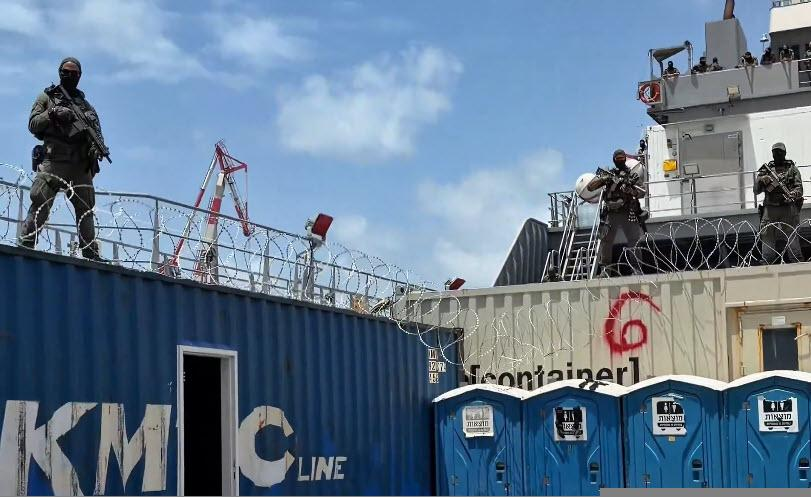
Night-time psychological terror: the soldiers banged on the containers with sticks; at times they also fired at the container walls; strobe lights and laser targeting markers blinded us in the entrance area of the sleeping containers.
Soldiers and prison guards observed our gathering of prisoners in the courtyard from four directions, from elevated positions. We doctors asked for painkillers, water and jumpers. The prison guards’ supervisor nodded his head in friendly agreement and gave us a thumbs-up. A few minutes later, the pumps that are normally used to clean the deck were switched on. The courtyard was flooded with salt water up to our ankles for hours on end.
We, the eight doctors among the prisoners, took stock of the situation: 30 people with suspected broken bones, mainly ribs and upper arms; four with concussions; one eye injury and one ear injury; dislocated upper arms; burns from stun guns; and four cases of sexual violence. The ‘hospital container’ was now overcrowded, so we used another of the three containers for the injured. We were particularly concerned about people with abdominal pain following blunt force trauma – could internal bleeding be developing unnoticed?
We later learnt that 67 released prisoners had to receive medical treatment in hospital in Istanbul, and twelve participants were admitted to hospital in Turkey and Greece. Punctured lungs, internal bleeding, broken legs and feet, cardiac arrhythmia….